Rails to Rustling Leaves: Capture Autumn Beyond London

Set out on autumn foliage photography walks reached entirely by train from London, swapping traffic for window‑seat scouting and brisk woodland miles. We’ll blend route planning, creative fieldcraft, and friendly stories to help you turn weekend journeys into glowing images and unhurried memories.

Timetables, Off‑Peak Freedom, and Daylight Math

Autumn days are generous with color yet stingier with light, so plan backwards from sunset and the last convenient return. Off‑peak tickets often save money and reduce crowds, while the clocks change in late October, gifting earlier golden hours. Note station‑to‑trail timings, restroom stops, and café buffers, so you arrive calm, unhurried, and ready when shafts of sunlight test your reactions and patience.

The Nimble Kit: Lenses, Filters, and Lightweight Support

Aim for versatility without burden. A modest zoom or two, perhaps a 24–70mm and a short telephoto, pairs well with a circular polarizer to tame glare and deepen color. Slip in a light travel tripod, microfiber cloths, spare batteries, and fast cards. Keep your bag slim enough to slide under seats and comfortable during hills, because creativity wilts under aching shoulders and clumsy bulk.

Comfort and Safety for Leaf‑Strewn Paths

Wet leaves hide slick roots and patient puddles, so waterproof boots, wool socks, and a compact first‑aid pouch matter more than you think. Pack a breathable shell, fingerless gloves, and a charged phone with offline maps. Add a whistle, small headtorch for dusks that overstay, and a thermos. Tell someone your route, and check for ticks after bracken wanderings and kneeling shots.

Golden Escapes One Ticket Away

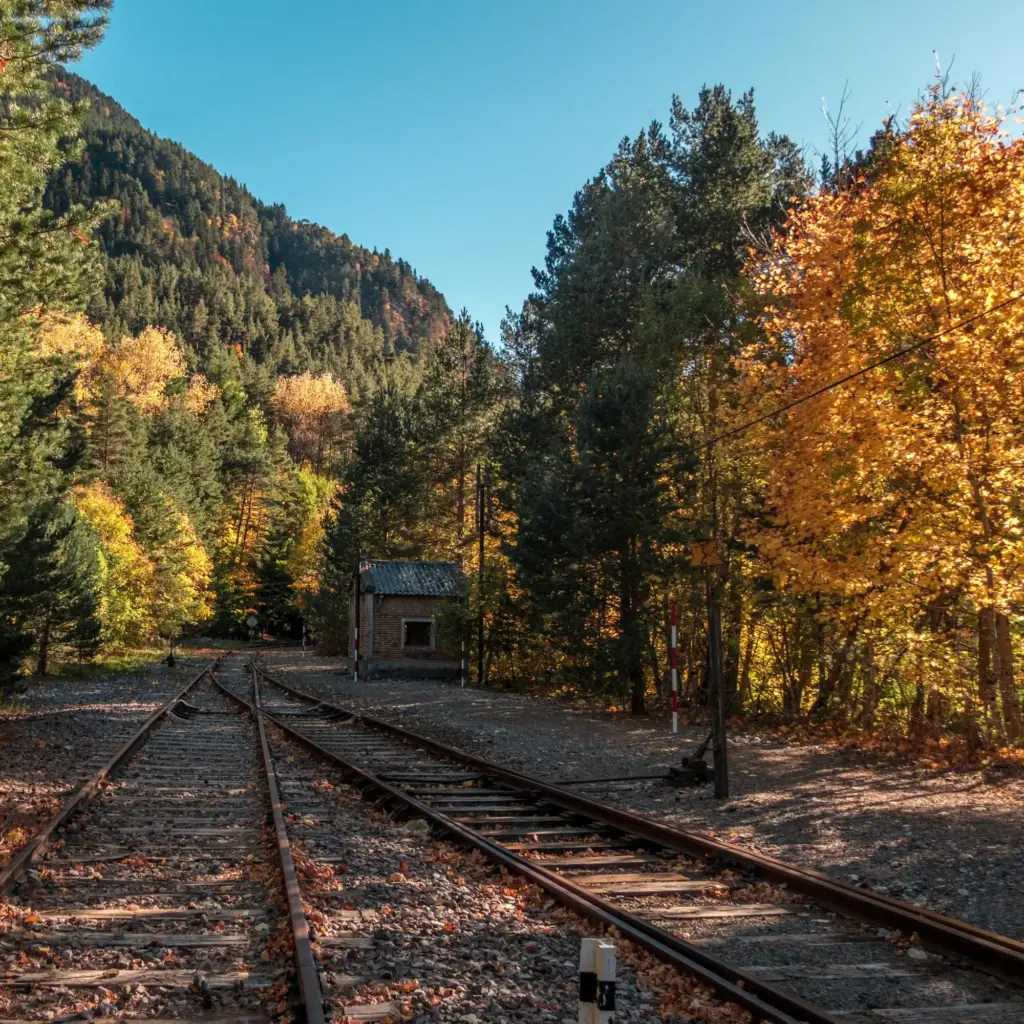
London’s rail web fans out to woods, parks, and valleys where oaks bronze, beeches flare, and paths breathe cinnamon air. With one ticket and a warm layer, you can trade concrete for crunching leaves within an hour. Think short transfers, clear waymarks, and cafés that welcome muddy boots. The joy is the contrast: steel rails delivering you to soft light, quiet water, and deer stepping through ferns like old stories.

Compose with Copper, Lead with Light

Let color relationships sing while lines usher the eye through woodland stories. Notice how burnt orange and moss green balance, how grey skies calm saturated scenes, and how a small human figure grants scale. Seek overlapping layers, clean edges, and breathing space. When wind nudges branches, decide between storytelling blur or tack‑sharp stillness, and build frames that feel walked‑through rather than simply looked‑at.

Color Dialogues: Complementary, Analogous, and Neutrals

Pair warm leaves with cool slate rivers, blue coats, or distant shadows to energize contrast, then soften with bark and path neutrals. Overcast days are gifts, preserving detail in fiery crowns without harsh speckling. Bracket exposures when skies glow unevenly, and watch for subtle purples in shaded beech trunks. Gentle color grading later should echo what you felt, not just what your histogram suggested.

Paths, Fences, and Rivers as Guides

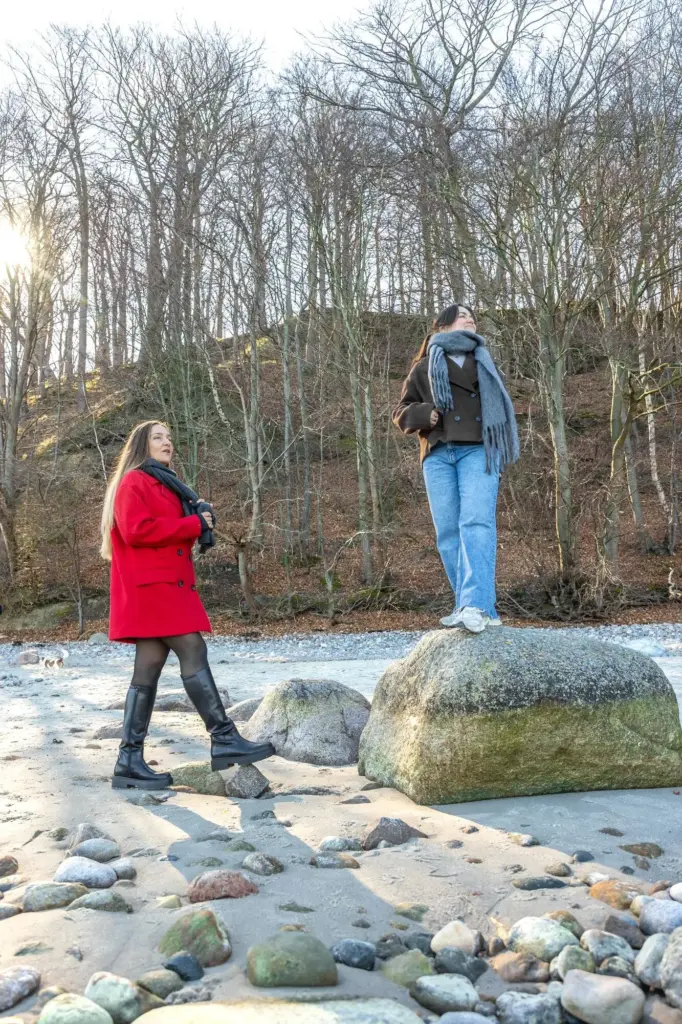
Use curving tracks, towpaths, and low fences to lead viewers from foreground crunch to far‑off glimmer. Step a pace or two to tame mergers, kneel for intimacy, or climb a stile for separation. Let figures in bright scarves punctuate space, and lift eyes toward a sunlit branch to create natural cadence. Rehearse framelines before light peaks, so gestures land precisely when it does.

Reflections, Rain, and After‑Storm Shine

Rain polishes leaves and paths, turning tiny puddles into portable mirrors. Decide when to remove your polarizer to keep reflections lively, then feather exposure to avoid blown whites in ripples. Shelter during downpours, pre‑compose, and pounce when bright breaks arrive. After storms, every twig glitters, and humble footbridges become stages for silhouettes walking through sparkling mist like small, hopeful myths made real.

Chasing Glow, Embracing Mist

Autumn rewards those who meet light halfway. First trains can place you at trailheads before the sun crowns hedgerows, while soft fog steeps valleys like tea. Embrace drizzle that deepens bark and saturates leaves, and welcome cloud that evens harsh contrast. Build flexibility into plans, choosing viewpoints near stations when forecasts wobble, so you can pivot gracefully yet still return with something quietly luminous.

First Trains to Golden Hour

Check sunrise tables for your chosen line, then match departures that place you within ten or fifteen minutes of a viewpoint. Morning chill keeps paths empty, breath visible, and colors gentle. Set white balance warm, meter for highlights, and let side‑light carve trunks. Pack a small snack to stay put as the second wave of glow ignites canopies you almost left too early.

Mist, Drizzle, and Softbox Skies

Low cloud turns forests into quiet studios, diffusing hotspots and freeing you to compose by shape and gesture. Embrace drizzle with a lens hood and cloth ready, and nudge ISO to maintain working shutters. Mist compresses distance and heightens layering, perfect for telephotos. Keep an eye on wind‑direction shifts; small openings often appear suddenly, placing a single sunlit tree against milk‑glass atmosphere for drama.

Wind and Motion: Intentional Blur vs Crisp Detail

Decide what story the breeze should tell. Use faster shutters for crunchy stillness around 1/250s, or let leaves paint at 1/4s with tripod support. Pan gently as walkers pass to animate scarves and umbrellas. Stabilization helps, but practice timing with gust patterns. Capture a sharp anchor—trunk, gate, or bench—so motion reads as chosen expression rather than accident born of impatience or neglect.

Walk Softly, Photograph Kindly

Pictures carry the memory of how we behaved. Keep to marked paths, leave gates as found, and tread gently through fragile roots. Thank volunteers, share space, and lower voices where wildlife listens. In busy carriages, stow tripods compactly and offer seats. Your courtesy buys you time and goodwill when pausing for one more frame beside someone else’s favorite bench bathed in last light.

Color Grading Without Plastic Leaves

Start with white balance that remembers the chill, then adjust HSL so yellows and oranges separate without neon creep. Lift shadows only enough to recover bark texture, and protect highlights along wet leaves. Gentle split‑toning can warm mids while letting blues linger in shade. Compare before‑and‑after at human sizes, and ask whether feeling survived, not only whether pixels sharpened neatly.

Detail, Noise, and Dynamic Range

Under canopies, ISO climbs quickly, so treat noise like fine grain rather than a problem to erase completely. Apply selective sharpening on edges of leaves and trunks, leave skies softer, and dodge or burn with a feathered brush. When scenes span deep shade and bright water, blend exposures carefully or lift shadows modestly, keeping the quiet, velvet atmosphere you loved standing there.

Invite Stories, Trade Routes, Grow Together

Community keeps motivation warm through the colder months. Post your favorite frame with a note about the train line, trail conditions, and the one surprise that made the day. Ask for alternatives, share GPX files, and recommend bakeries near stations. Subscribe for monthly ride‑and‑walk ideas, and add your voice in the comments so others learn from your small triumphs and near‑misses.

Lumatoradexopento
Privacy Overview

This website uses cookies so that we can provide you with the best user experience possible. Cookie information is stored in your browser and performs functions such as recognising you when you return to our website and helping our team to understand which sections of the website you find most interesting and useful.