Spring Bluebells by Rail: London’s Easiest Woodland Escapes


Today we set our sights on spring bluebell woods reachable by train from London, inviting you to trade traffic for timetables and step straight from platform to petal-strewn paths. Expect practical routes, gentle walks, thoughtful etiquette, and stories that celebrate accessible, car-free adventures during the brief, dazzling weeks when ancient woods glow violet-blue.

Plan a Seamless Day Trip Without a Car

Timing the Bloom

Peak color usually arrives from mid to late April, though elevation, shade, and cool snaps can nudge dates into early May. Follow local wildlife trusts, National Trust updates, and community groups sharing fresh images. If rain threatens, embrace the drama: damp leaves deepen colors, raindrops gleam on bells, and crowds thin to near silence.

Tickets, Routes, and Flexibility

Check engineering works the night before, consider a Network Railcard if eligible, and favor off-peak day returns for value. Trains from Euston serve Tring, London Bridge or Victoria reach Oxted and Chipstead, and Charing Cross links to Sevenoaks. Save walking maps offline, verify step-free exits where needed, and keep alternative woods in mind.

What to Pack for Comfortable Wandering

Bring waterproof boots, breathable layers, a small sit mat, water, snacks, and a power bank for maps and photos. A lightweight bag keeps hands free for stiles and cameras. Tuck in biodegradable wipes, a compact first-aid kit, and a spare pair of socks, because spring mud can be playfully, gloriously unavoidable on leafy tracks.

Rapid Carpets Within Ninety Minutes

These handpicked escapes deliver lush blue carpets without long journeys. Each sits within easy reach of central London by frequent trains, followed by rewarding walks that thread hedgerows, ancient lanes, and welcoming village greens. Pace yourselves, pause often, and let the color lead rather than racing to any single viewpoint or picture-perfect bend.

01

Ashridge and Dockey Wood via Tring

From London Euston, ride to Tring in around forty minutes, then follow lanes or buses toward the Ashridge Estate, where Dockey Wood can blaze with legendary blue. Waymarked paths guide gentle circuits through beech avenues alive with chiffchaffs. Arrive early on sunny weekends, bring change if parking restrictions affect nearby lay-bys, and tread only established tracks.

02

Banstead Woods via Chipstead

From London Bridge, travel via East Croydon to Chipstead, stepping into chalky downs where bluebells spill between coppiced edges and meadow edges. The trail passes carved sculptures and glimpses of valley farms. Paths can be steep in places, so steady footing helps. After looping the woodland belts, unwind at a village pub before the short stroll back.

03

Staffhurst Wood via Oxted

Trains from London Victoria or London Bridge deliver you to Oxted, gateway to quiet lanes, patchwork fields, and the scented hush of Staffhurst Wood. Expect broad rides and intimate glades, with anemones lingering under hornbeam. The approach walk is part of the joy: skylarks above, hedgerow blossom nearby, and that first purple haze drawing you onward.

Kentish Ridges and Far-Reaching Blue Vistas
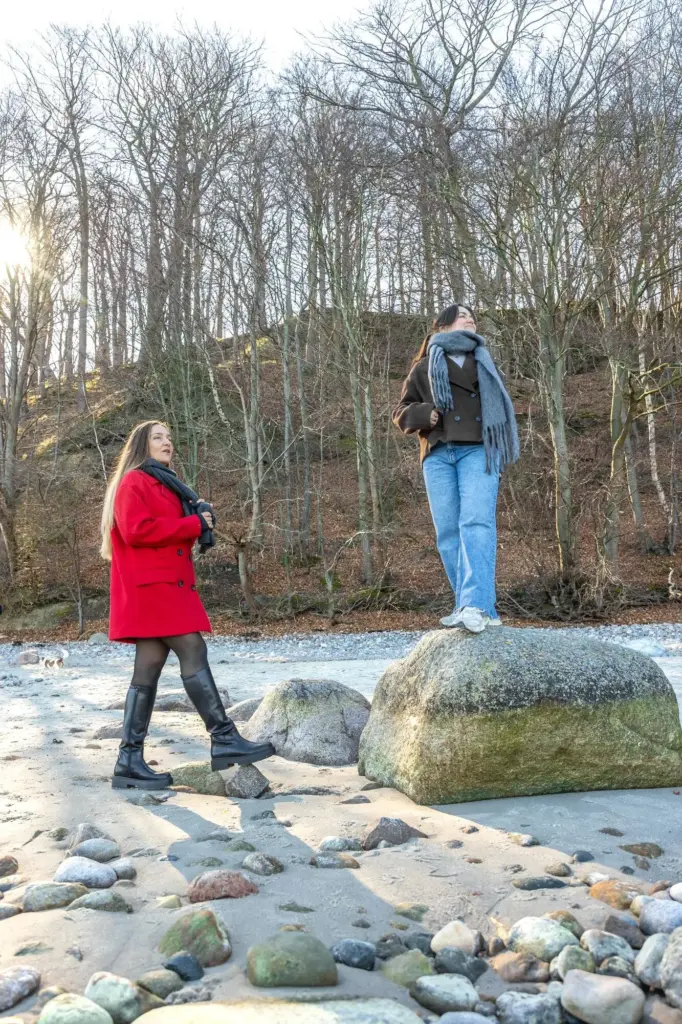
South of London, high ground meets sweeping Wealden views, where bluebells tumble down slopes and breeze-stirred beech leaves cast glowing light. Sevenoaks anchors superb connections, with onward buses or purposeful walks leading to storied gardens, ancient commons, and ridge paths that pour out vistas, history, and those irresistible whorls of nodding spring bells.

Emmetts Garden’s Sunlit Slope

Ride to Sevenoaks from London Bridge or Charing Cross, then bus or stride to Emmetts Garden, where a celebrated bank of blue unfurls beneath lofty trees. National Trust trails weave viewpoints, orchards, and scented corners. Watch dappled light flicker across flowers, listen for thrushes, and time your return to catch tea and cake before sunset hush.

Toys Hill and Ide Hill Circular

From Sevenoaks, walkers trace historic lanes up to Toys Hill and on to Ide Hill, joining paths that flirt with blue-edged hollows and ridge-top panoramas. Expect wide skies, red kite silhouettes, and spring hedgerow perfume. Carry a printed map for junctions, and let benches with heroic views transform a simple snack into a little ceremony.

Epping Forest from Chingford

Take the Overground from Liverpool Street to Chingford, then step into ancient woodland where bluebell patches brighten beech slopes and quiet hollows. Waymarked paths pass ponds, pollards, and sudden clearings. Choose early weekday mornings for near solitude, follow the Green Ride for easy navigation, and reward yourself with a lakeside coffee before gliding home.

Highgate and Queen’s Wood by Tube

Northern line to Highgate places you minutes from two atmospheric pockets, where glistening blue drifts weave through hornbeam and oak. Short trails suit lazy afternoons or curious kids who count squirrels as eagerly as flowers. After rain, roots can be slick, so step carefully. End with a bakery stop, pocketing pastries for a bench-side celebration.

Wanstead Park’s Chalet Wood

The Gospel Oak to Barking Overground makes Wanstead Park a relaxed hop, revealing Chalet Wood’s beloved spring spectacle. Paths skirt ornamental waters before dissolving into quiet blue rooms under spreading trees. Arrive at golden-hour for side-lit petals, keep to runners of bare earth, and listen for parakeets chattering above blackbird riffs and distant city murmur.

Walk Kindly: Flowers, Footpaths, and Photographs

Bluebells bruise easily and struggle to recover from trampling, so small choices matter. Keep to marked paths, hop over roots instead of across blossoms, and leash excitable dogs near fragile patches. Photographers can craft beautiful frames while protecting the plants, proving care and creativity belong together on every respectful, memory-rich woodland ramble.
Britain’s native bluebell is a protected treasure, threatened by trampling, picking, and hybridization with garden varieties. Stay on trails, never dig or gather, and brush mud from boots before visiting new woods to reduce seed spread. Gently model good behavior for companions, turning awareness into action with every considerate step and quiet, admiring pause.
Spring soils are soft, so choose sturdy boots with grippy soles and favor waymarked rides over carpeted shortcuts. Keep dogs close on leads where signs request it, and avoid tossing sticks into floral areas. When meeting narrow paths, step onto bare ground, smile a hello, and treat the woods like a much-loved, living open-air gallery.
Build portraits from path edges, using leading lines, side light, and shallow depth rather than stepping into the flowers. A small reflector brightens bells without trampling, while a telephoto lens compresses carpets beautifully from safe vantage points. Share captions that encourage considerate visits, helping your images nurture the very wonder they so lovingly celebrate.

Make It Social and Keep the Joy Going

Turn a fleeting season into a shared ritual by inviting friends, family, and colleagues on gentle rail rambles. Swap bloom updates, compare routes, and celebrate tiny discoveries: a tawny owl’s call, new leaves glowing like lanterns. We welcome your stories, sightings, and tips—say hello, subscribe, and help others find these luminous, car-free spring escapes.

Family-Friendly Adventures

Pick stations with short approaches, add a treasure hunt for fern fronds and birdsong, and promise hot chocolate at journey’s end. Children love watching the landscape flicker beyond carriage windows, then tumbling into woods where paths feel like secret corridors. Keep pace playful, break often, and let curiosity rather than distance set the day’s rhythm.

Food, Pubs, and Treats Near Stations

Good fuel lifts spirits. In Oxted, Chipstead, and Sevenoaks, find inviting pubs and cafés that welcome muddy boots, steaming mugs, and leaf-crinkled maps. Share your favorite stops in the comments, so fellow wanderers can plan restorative breaks. A lingering slice of cake often becomes a cherished, memory-anchoring detail long after petals fade.
Lumatoradexopento
Privacy Overview

This website uses cookies so that we can provide you with the best user experience possible. Cookie information is stored in your browser and performs functions such as recognising you when you return to our website and helping our team to understand which sections of the website you find most interesting and useful.